Why Audience Matters
Different spaces, different objectives, one continuing human need
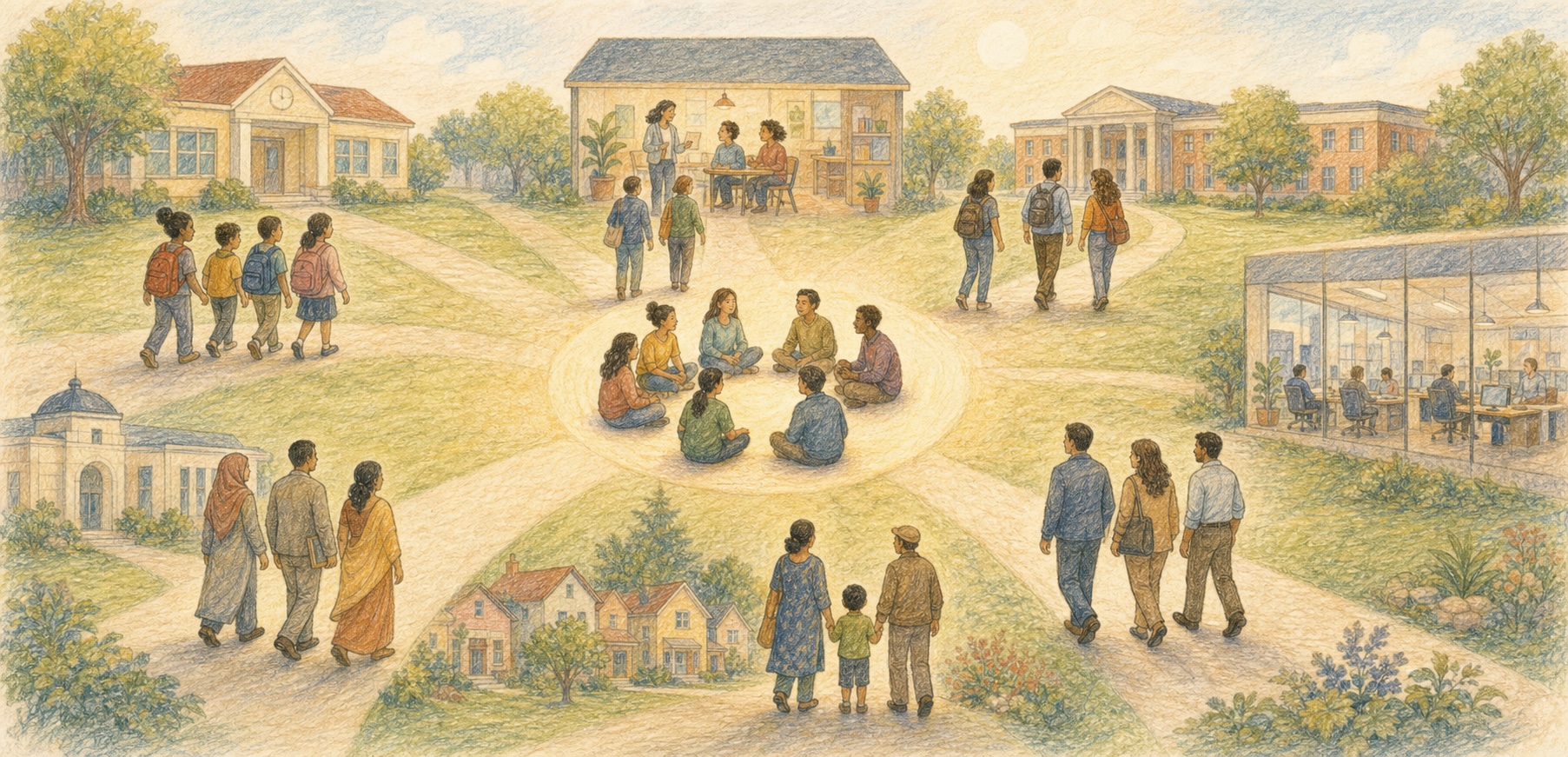
CoreXformer is organized around six audience worlds because the same reflective method shows up
differently depending on the group. A school needs one kind of language, a college another, a corporate
team another, and a community another, even when the deeper human work overlaps.
The aim is to help each visitor recognize the most relevant starting point for their group.

For Schools
Helping student groups feel, connect, and grow through reflective experience
In school settings, experiential learning can support the parts of growth that are often hard to teach
through instruction alone: belonging, confidence, teamwork, emotional awareness, and healthier peer
connection. CoreXformer offers students a structured space where those things become visible through shared
activity and guided reflection.
This makes the work especially relevant for new class groups, hesitant student teams, houses, clubs, and
school settings that want children not only to study, but also to feel safer, connect more honestly, and
grow into more aware human beings.
The strongest current fit is for middle school, secondary, and higher-secondary groups that are ready for
active participation and simple reflective conversation.
For Teachers
Supporting educators who hold classroom climate, student connection, and pressure every day
Teachers are not only content deliverers. They are also people who hold energy, tone, trust, pressure, and
human relationship in a room every day. CoreXformer’s teacher line is designed for that lived reality.
This makes the work relevant for educators who want stronger classroom presence, better student connection,
more conscious responses under pressure, better collaboration with peers, and healthier renewal over time.
The teacher-facing products are especially useful when a school wants teacher development to feel reflective,
human, and practical rather than generic or overly corporate.
For Colleges
Supporting students who are moving through identity, teamwork, pressure, and readiness for work life
College spaces often sit between student life and workplace life. Students are learning how to belong, how
to work in teams with less supervision, how to speak up across difference, and how to carry pressure with
greater awareness.
This makes CoreXformer relevant for first-year orientation groups, club teams, project groups, placement
readiness cohorts, and emerging student leaders who are trying to grow into more responsible adulthood.
The college product line is especially useful where a campus wants students to become more self-aware,
collaborative, resilient, and workplace-ready through lived experience rather than advice alone.
For Corporates
Supporting teams and managers who need trust, communication, ownership, and steadier work under pressure
In workplace settings, CoreXformer becomes useful when a team is not only looking for engagement but for
clearer human functioning under real pressure. That can mean new teams, first-time managers, cross-functional
friction, low trust, or change fatigue.
The corporate product line is designed for HR, L&D, team leaders, and managers who want development that
feels practical, experiential, and behaviorally honest rather than overly abstract.
This makes the work relevant for trust-building, conversations at work, ownership, manager transition,
cross-functional alignment, and conflict repair.
For Government
Supporting public teams that need cohesion, accountability, supervision, and coordination inside systems
Government and public-service spaces carry a different tone from private workplaces. The need is often for
stronger team cohesion, more reliable follow-through, healthier supervisory transition, and better
coordination across units or departments.
CoreXformer’s government line uses grounded, people-aware language rather than defaulting to corporate
vocabulary. That makes the work more relevant for officers, supervisors, departments, and implementation teams.
It is especially useful when a public team wants to develop the human side of service, leadership, and
execution without losing the seriousness of institutional responsibility.
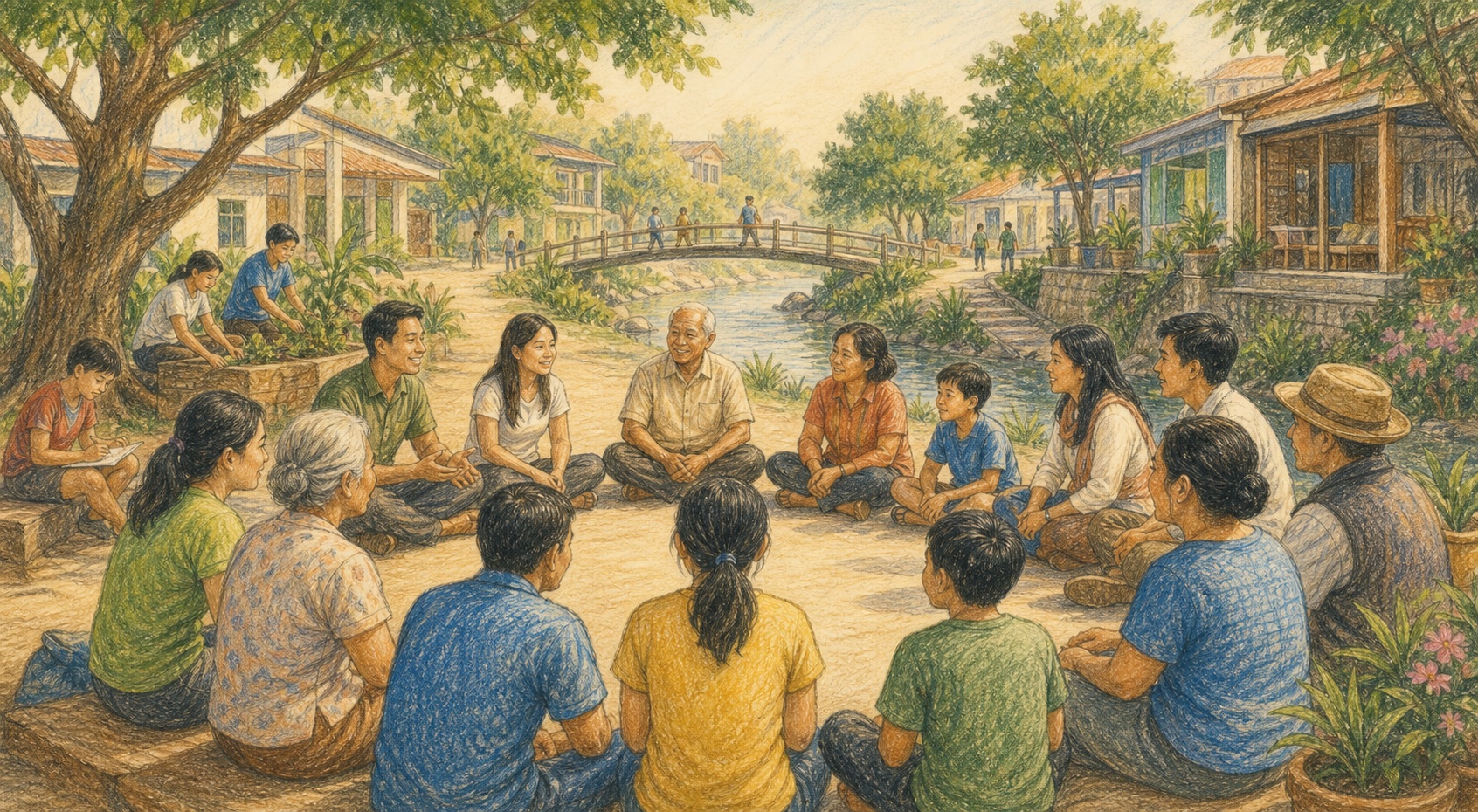
For Communities
Supporting collectives that need participation, dialogue, trust repair, and stronger local ownership
Community spaces often need help before structure alone can work. A group may need stronger participation,
healthier dialogue across difference, more shared ownership, or better ways of staying together when fatigue
or mistrust starts shaping the collective.
This makes the work relevant for volunteer groups, resident groups, neighborhood initiatives, youth
collectives, and other local spaces where people need to move together more consciously.
The community line is most useful when a collective wants not only activity, but deeper participation,
relational clarity, and local leadership that can hold people with greater care.